What is a Passenger Lift? Importance, Benefits, and Impact of Passenger Elevators in Modern Buildings
By Admin | 09 Mar, 2026
Modern cities are expanding rapidly, and urban spaces are becoming more vertically structured than ever before. High-rise residential apartments, commercial office towers, hospitals, shopping malls, and hotels are now common in metropolitan areas. In such structures, moving people efficiently between floors is essential. This is where passenger lifts, also known as passenger elevators, play a vital role.
A passenger lift is one of the most important innovations in the field of vertical transportation. It allows people to move comfortably and safely between floors without the need to climb stairs. Without passenger elevators, modern skyscrapers and tall residential buildings would be impractical.
Today, elevators are not only about transportation but also about comfort, accessibility, safety, and smart technology integration. In this article, we will explore what a passenger lift is, how it works, its types, benefits, and the significant impact it has had on modern society.
What is a Passenger Lift?
A passenger lift is an elevator specifically designed to transport people between different floors of a building. It operates inside a vertical shaft using electric motors, traction systems, or hydraulic mechanisms to move a cabin or car up and down.
Passenger lifts are commonly installed in:
-
Residential buildings
-
Office towers
-
Shopping malls
-
Airports
-
Hospitals
-
Hotels
-
Metro stations
-
Educational institutions
The primary purpose of a passenger lift is to provide safe, fast, and convenient vertical transportation within buildings.
Modern passenger elevators are equipped with advanced control systems, energy-efficient motors, and intelligent safety features that ensure smooth operation and passenger comfort.
How Does a Passenger Lift Work?
Passenger lifts operate through a mechanical and electrical system designed to move the lift car vertically.
Most modern elevators use traction technology. In this system, a powerful electric motor rotates a pulley that moves steel ropes connected to the lift car and counterweight.
Here is a simplified explanation of how it works:
-
When a passenger presses a floor button, the control system receives the signal.
-
The elevator controller determines the most efficient movement.
-
The traction motor activates and rotates the pulley.
-
Steel cables move the lift car up or down.
-
The counterweight balances the load to reduce motor energy consumption.
Once the lift reaches the selected floor, the doors automatically open to allow passengers to exit safely.
Main Components of a Passenger Lift
A passenger elevator consists of several important components that ensure safe and efficient operation.
Lift Car (Cabin)
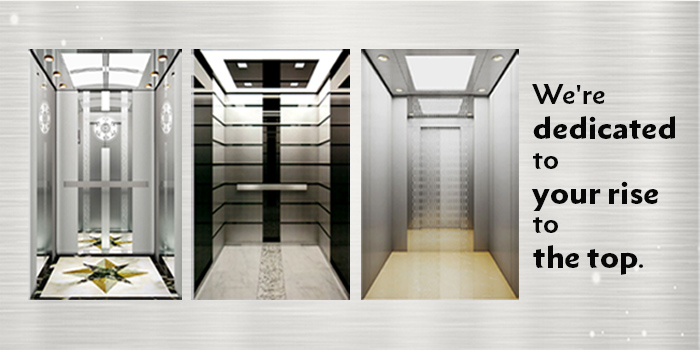
The lift car is the enclosed space where passengers stand during transportation. Modern lift cabins are designed with stainless steel panels, LED lighting, mirrors, ventilation systems, and stylish finishes.
Traction Machine
The traction machine is the main driving mechanism of the elevator. It consists of an electric motor and pulley system responsible for moving the lift car.
Counterweight
The counterweight balances the lift car weight. This reduces motor effort and improves energy efficiency.
Guide Rails
Guide rails are metal tracks installed inside the elevator shaft that guide the lift car during vertical movement.
Elevator Control System
The control system acts as the brain of the elevator. It manages movement, speed, door operations, and safety features.
Door System
Automatic doors ensure safe entry and exit of passengers while preventing accidents.
Types of Passenger Lifts
Passenger elevators come in different designs depending on building height, capacity, and usage.
Traction Passenger Lift
Traction lifts are the most common type used in medium and high-rise buildings. They use steel ropes and a counterweight system to move the elevator.
Advantages include:
-
High efficiency
-
Smooth operation
-
Suitable for tall buildings
Hydraulic Passenger Lift
Hydraulic elevators use a piston powered by hydraulic fluid pressure to move the lift car.
These lifts are typically used in low-rise buildings such as small offices and residential apartments.
Machine Room Less (MRL) Passenger Lift
Machine Room Less elevators eliminate the need for a separate machine room, saving space in the building structure.
They are popular in modern commercial and residential buildings.
Home Passenger Lift
Home lifts are compact elevators designed for villas and private houses. They improve accessibility for elderly people and individuals with mobility challenges.
Benefits of Passenger Lifts in Modern Buildings
Passenger lifts provide numerous advantages in modern architecture and urban development.
Improved Accessibility
Passenger elevators make buildings accessible for everyone, including elderly people, children, and individuals with disabilities.
Faster Movement Between Floors
Climbing stairs in high-rise buildings is time-consuming and exhausting. Elevators provide fast and effortless transportation.
Increased Property Value
Buildings equipped with modern elevators attract more buyers and tenants, increasing property value.
Convenience and Comfort
Passenger lifts provide a comfortable way to travel vertically without physical effort.
Efficient Use of Urban Space
Elevators allow architects to design taller buildings, maximizing limited urban land space.
Impact of Passenger Lifts in the Modern Era
Passenger lifts have transformed the way cities are designed and how people live and work.
Development of Skyscrapers
Modern skyscrapers would not exist without elevators. Passenger lifts make it possible for people to access upper floors easily.
Urban Population Growth
As cities grow, vertical construction becomes essential. Elevators support the development of dense urban areas.
Improved Infrastructure
Passenger elevators are essential in hospitals, airports, hotels, and shopping centers where efficient movement of people is required.
Smart Building Integration
Modern elevators are integrated with smart building technologies such as:
-
Destination control systems
-
Touchless elevator buttons
-
Smart card access
-
AI-based traffic management
These features improve efficiency and passenger experience.
Safety Features of Passenger Elevators
Safety is the most critical aspect of elevator design.
Modern passenger lifts include several safety features such as:
-
Emergency braking systems
-
Overload protection sensors
-
Automatic rescue devices
-
Door obstruction sensors
-
Fire emergency recall systems
-
Backup power supply
These technologies ensure that elevators operate safely even during unexpected situations.
Future of Passenger Lift Technology
The elevator industry continues to evolve with new technological innovations.
Future passenger elevators may include:
-
Artificial intelligence control systems
-
Ultra-high-speed elevators
-
Energy regenerative drives
-
Touchless elevator operation
-
Smart predictive maintenance systems
These innovations will make elevators even more efficient, safer, and environmentally friendly.
Conclusion
Passenger lifts have become an essential component of modern buildings and urban infrastructure. They provide safe, efficient, and comfortable vertical transportation in residential, commercial, and public spaces.
From small residential buildings to massive skyscrapers, elevators play a crucial role in improving accessibility, convenience, and building functionality. As cities continue to grow vertically, the importance of passenger lifts will continue to increase.
With advancements in smart technology, energy efficiency, and safety systems, passenger elevators will remain a key element in shaping the future of modern architecture and urban development.
FAQ Section
What is a passenger lift?
A passenger lift is an elevator designed to transport people safely between floors of a building using electric or hydraulic systems.
Where are passenger lifts commonly used?
Passenger lifts are used in residential buildings, shopping malls, hospitals, hotels, airports, and office buildings.
What are the main types of passenger lifts?
The main types include traction elevators, hydraulic elevators, machine room less elevators, and home passenger lifts.
Why are passenger lifts important in modern buildings?
Passenger lifts improve accessibility, save time, enhance convenience, and make high-rise buildings practical.
Are passenger elevators safe?
Yes, modern passenger elevators include advanced safety systems such as emergency brakes, overload sensors, and automatic rescue devices.