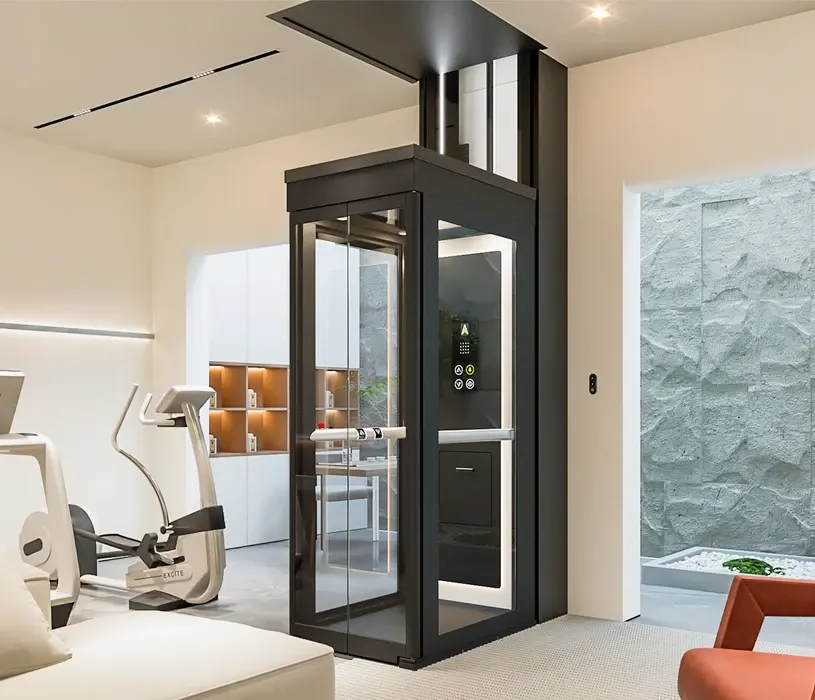
Ultimate Guide to Shaftless Home Elevator Cost
By Admin | 12 Jul, 2026
When it comes to improving accessibility in multi-story homes, shaftless home elevators have become a popular choice. These elevators provide a sleek, space-saving solution for homeowners who want the convenience of vertical transportation without the bulky infrastructure of a traditional elevator shaft. Shaftless home elevators are ideal for residences where space is limited or where homeowners want to preserve the design and aesthetics of their home.
While the benefits of shaftless elevators are clear, understanding the costs involved in installing one is essential for homeowners looking to make this upgrade. In this guide, we will break down the costs of installing a shaftless home elevator, including factors that influence the price, the different types of shaftless elevators available, and ongoing maintenance costs.
What is a Shaftless Home Elevator?
A shaftless home elevator is an elevator system that does not require the traditional elevator shaft or hoistway. These elevators operate in a much more compact space, making them ideal for homes with limited space or homes where a conventional elevator installation would be difficult. Unlike traditional elevators, which typically use a hoistway, cables, and a large platform, shaftless home elevators often use a pneumatic or hydraulic system to lift and lower the car.
This type of elevator is typically more cost-effective and less invasive to install than traditional models, and its design can be easily integrated into various home styles. It also offers flexibility in terms of installation, as it requires fewer modifications to the home’s structure.
Factors Influencing the Cost of Shaftless Home Elevators
Several factors influence the cost of installing a shaftless home elevator. Understanding these factors will help you plan your budget and make an informed decision.
a) Type of Shaftless Elevator
There are various types of shaftless home elevators available, each with different installation requirements and price ranges. The two most common types are pneumatic elevators and hydraulic elevators:
- Pneumatic Shaftless Elevators: Pneumatic elevators use air pressure to lift and lower the elevator car. These elevators are typically more affordable than hydraulic models and offer a smooth, quiet ride. Pneumatic elevators also have a compact footprint, making them ideal for small spaces. The cost of pneumatic shaftless elevators typically ranges from $20,000 to $35,000.
- Hydraulic Shaftless Elevators: Hydraulic elevators use a hydraulic piston to lift and lower the elevator car. While they are often more expensive than pneumatic models, they are more powerful and capable of lifting heavier loads. Hydraulic shaftless elevators typically cost between $30,000 and $50,000.
b) Size and Capacity
The size of the shaftless elevator and its load capacity will have a direct impact on the cost. Smaller elevators with a capacity of 1-2 passengers will be more affordable, while larger units designed to accommodate more passengers or heavier loads will cost more.
For instance, a basic 2-passenger pneumatic shaftless elevator will cost less than a 4-passenger hydraulic model. If you require a larger car to carry bulky items or accommodate multiple passengers, you should expect the price to increase accordingly.
c) Home Structure and Installation Complexity
Although shaftless home elevators do not require a traditional elevator shaft, they still need to be installed in a way that integrates seamlessly with the home’s structure. The complexity of installation can influence the overall cost. Factors such as the number of floors, the available space for the elevator, and whether any modifications need to be made to the existing structure will impact the price.
In some cases, the elevator may need to be customized to fit into a specific space, which can add to the overall cost. Additionally, if the installation site is difficult to access or requires extensive preparation, such as reinforcement of the building’s flooring or ceiling, this can increase labor costs.
d) Custom Features
One of the advantages of shaftless home elevators is the ability to customize them to match the home’s aesthetic. Custom features such as unique interior finishes, glass panels, lighting, and door styles can add to the overall cost. Customization allows homeowners to design an elevator that fits seamlessly with their home’s interior decor, but it also comes with a premium price tag.
e) Location
The cost of installation can vary depending on your geographic location. Installation costs tend to be higher in areas with a higher cost of living or where specialized contractors are needed. Additionally, local building codes and regulations may require additional modifications or inspections, which can also influence the overall cost.
Shaftless Home Elevator Cost Breakdown
While the cost of a shaftless home elevator can vary depending on the factors mentioned above, here is a general breakdown of the price range for different models:
- Small Pneumatic Elevators (1-2 Passengers): These basic models typically cost between $20,000 and $30,000. These elevators are suitable for homes with limited space and are ideal for transporting one or two people between floors.
- Mid-Range Pneumatic Elevators (2-3 Passengers): For a larger pneumatic elevator with a higher capacity (2-3 passengers), the price can range from $30,000 to $40,000. These models typically offer more customization options and may feature upgraded finishes.
- Hydraulic Shaftless Elevators (2-4 Passengers): Hydraulic shaftless elevators are more expensive than pneumatic models due to their higher lifting capacity. These elevators typically range from $35,000 to $50,000, depending on the size, customization, and installation requirements.
- Large Hydraulic or Pneumatic Elevators (4+ Passengers): For larger elevators that can accommodate four or more passengers, the cost can increase significantly, ranging from $50,000 to $75,000 or more. These elevators often feature higher-quality materials, advanced technology, and custom features.
Ongoing Maintenance Costs
Like all elevators, shaftless home elevators require regular maintenance to ensure that they operate safely and efficiently. While shaftless elevators generally have lower maintenance costs compared to traditional models, it is still important to budget for routine servicing.
- Annual Maintenance: Basic maintenance for a shaftless elevator typically costs between $300 and $600 annually. This includes routine inspections, lubrication, and minor repairs.
- Repairs and Parts Replacement: If any parts of the elevator need replacing, such as the pump, pneumatic system, or control panel, repair costs can range from $500 to $2,000 or more, depending on the extent of the damage.
- Upgrades and Customization: Some homeowners may choose to upgrade their shaftless elevator over time, adding features such as new finishes, improved lighting, or enhanced technology. Upgrades can cost anywhere from $2,000 to $10,000, depending on the features.
Benefits of Shaftless Home Elevators
While the cost of installation and maintenance is an important consideration, it’s also essential to weigh the benefits of installing a shaftless elevator in your home. Some key advantages include:
- Space Efficiency: Shaftless home elevators require much less space compared to traditional models, making them ideal for homes with limited floor plans or smaller spaces.
- Aesthetic Appeal: These elevators offer a sleek, modern design and can enhance the overall look of your home. They can be customized to match your interior decor, providing a high-end, luxurious feel.
- Ease of Installation: Shaftless elevators are typically easier and quicker to install than traditional lifts, as they do not require the construction of a shaft or hoistway.
- Increased Accessibility: Shaftless home elevators make it easier for people with mobility challenges to move between floors. This can be particularly beneficial for elderly residents or those with physical disabilities.
A shaftless home elevator is an excellent option for homeowners seeking a space-saving, aesthetically pleasing, and efficient way to move between floors. While the installation cost can be higher than traditional lifts, the benefits of flexibility, design options, and improved accessibility make them a worthy investment.
By understanding the factors that influence the cost of a shaftless home elevator and carefully planning your budget, you can make a well-informed decision that fits your home’s needs and your financial expectations. If you’re considering installing a shaftless home elevator, HAYASHIMU Elevator offers a range of customizable solutions that will elevate the comfort and convenience of your living space. Contact us today for a consultation and cost estimate tailored to your home.