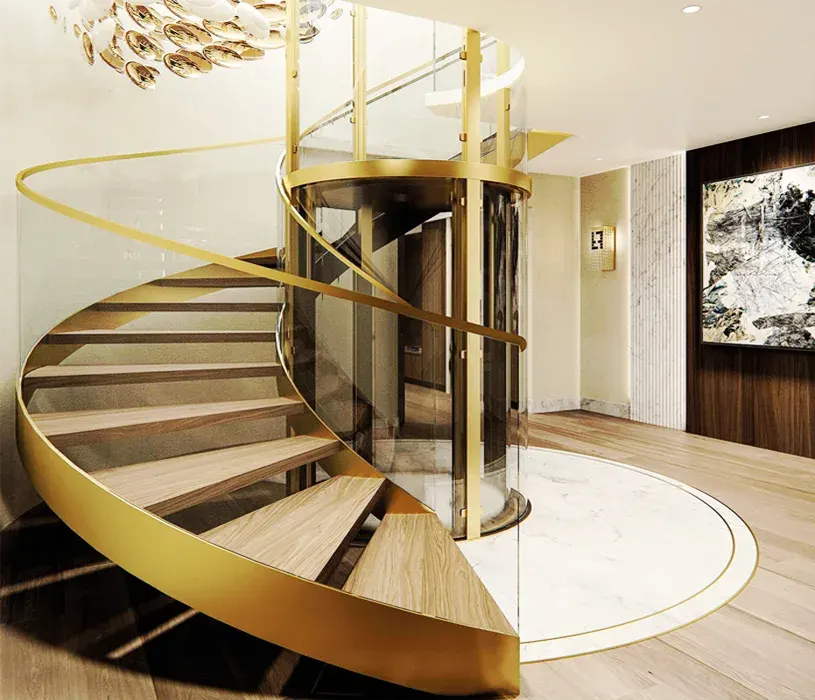
Planning Your Budget: Glass Elevator Cost Breakdown
By Admin | 10 Jul, 2026
Glass elevators are an elegant and modern addition to any building, providing a functional yet aesthetically pleasing solution for vertical transportation. Unlike traditional elevators, glass lifts offer passengers an unobstructed view of their surroundings, adding a touch of luxury and sophistication to both residential and commercial properties. However, as with any premium feature, the installation of a glass elevator requires careful budget planning to ensure that all factors, including installation, maintenance, and operational costs, are considered.
In this guide, we will break down the costs associated with glass elevator installation, discuss the factors that influence their price, and provide an overview of the ongoing costs to help you make an informed decision when planning your budget.
1. What is a Glass Elevator?
A glass elevator, often referred to as a panoramic or transparent elevator, features glass walls that offer a 360-degree view of the surrounding area. These elevators can be installed indoors or outdoors and are typically used in buildings where aesthetics are as important as functionality. Glass elevators are common in luxury residential homes, hotels, shopping malls, and commercial buildings, offering both a practical mode of transport and a unique visual experience for passengers.
While glass elevators are visually striking, they also come with unique considerations in terms of design, construction, and cost. Understanding the factors that contribute to the price will help you plan your budget accordingly.
2. Factors Influencing Glass Elevator Costs
Several elements influence the final cost of installing a glass elevator. These include the type of elevator, the size, custom features, the building’s structural requirements, and the complexity of installation. Let’s explore each of these factors in more detail:
a) Type of Glass Elevator
There are several types of glass elevators to choose from, each with its own cost range. The most common types include:
- Hydraulic Glass Elevators: Hydraulic elevators use a piston and pump system to raise and lower the elevator car. They are typically used in buildings with fewer floors and are a more affordable option compared to traction elevators.
- Traction Glass Elevators: Traction elevators use a system of pulleys and counterweights to lift the elevator car. These are better suited for taller buildings and offer a smoother, more energy-efficient ride. However, they tend to be more expensive than hydraulic lifts.
- Vacuum Glass Elevators: These elevators use air pressure to move the car up and down. Vacuum elevators are compact and visually striking but are generally more expensive than hydraulic and traction models.
The type of elevator chosen will significantly influence the overall cost, with hydraulic lifts being the least expensive and vacuum elevators being the priciest option.
b) Elevator Size and Capacity
The size of the elevator and its load capacity will impact the price. Smaller glass elevators that can transport one or two people are more affordable, while larger elevators designed to carry more passengers or heavier loads will cost more. It’s important to consider the number of floors the elevator needs to serve and the desired capacity when selecting an elevator model.
For example, a basic two-passenger glass elevator will be less expensive than a four-passenger lift or one designed to carry heavier loads such as equipment or luggage.
c) Material Quality
Glass elevators use specialized, durable glass that can withstand the stresses of daily use and exposure to the elements (for outdoor glass elevators). The quality of the materials used, including tempered glass, stainless steel, and aluminum, will influence the overall cost. Custom finishes, tinted or frosted glass, or special safety coatings will also add to the price.
- Standard Glass: Tempered glass is commonly used for its safety and durability. It’s clear and strong, but also relatively affordable compared to higher-end options.
- Custom Glass: For added privacy or style, custom glass finishes such as frosted, tinted, or patterned glass may be chosen. These options can increase the cost significantly.
- Frame Materials: The frame and supporting structure of the glass elevator are often made of stainless steel or aluminum. High-quality materials will increase the elevator’s cost but provide durability and an upscale look.
d) Design and Customization
Glass elevators are often chosen for their aesthetic appeal, and as such, many property owners opt for custom designs. Customization can involve unique glass shapes, lighting, finishes, or the addition of advanced features like smart controls or automated functionality. These custom features increase the cost of the elevator.
Additionally, elevators with glass walls on all sides will typically be more expensive than those with only one or two glass panels. Customizing the elevator to fit seamlessly with the building’s architecture, interior design, and style can further influence the price.
e) Installation Complexity
The installation of a glass elevator is typically more complex and time-consuming than traditional elevators. The elevator needs to be carefully integrated into the building’s structure, and special attention must be paid to ensure the glass panels are properly fitted and aligned. In some cases, the installation may require modifications to the building’s existing infrastructure, including reinforcement of the elevator shaft and additional safety features.
Glass elevators are often installed in high-traffic areas where aesthetics play a major role, which requires expert installation to avoid any damage to the glass or surrounding walls.
f) Location and Accessibility
The cost of installing a glass elevator also depends on its location. Installing a glass elevator outdoors will require weather-resistant materials, additional structural work, and greater consideration for environmental factors. This will make the installation more expensive than indoor models, which only require considerations for interior design and load capacity.
3. Glass Elevator Cost Breakdown
While there is no one-size-fits-all cost for glass elevator installation, the following estimates can give you an idea of what to expect for different types of glass elevators:
- Small Residential Glass Elevators: For a basic residential glass elevator that serves up to two floors, you can expect to pay between $20,000 and $40,000. These lifts are typically hydraulic or traction elevators and have a limited capacity (1-2 passengers).
- Mid-Range Residential or Commercial Glass Elevators: For larger, more customized residential or commercial glass elevators, the price can range from $40,000 to $80,000. These elevators often serve more floors (3-5) and offer better customization, including premium finishes and added safety features.
- High-End Glass Elevators: Luxury glass elevators with high-end materials, custom finishes, and advanced features (e.g., panoramic views, smart technology, energy-efficient systems) can cost anywhere from $80,000 to $150,000 or more. These elevators are often found in luxury residential properties, hotels, or commercial buildings.
- Outdoor Glass Elevators: Installing a glass elevator outdoors typically costs more due to the materials required to withstand the elements. The cost for outdoor glass elevators typically ranges between $50,000 and $120,000, depending on the type of lift, size, and location.
4. Ongoing Maintenance Costs
Like all elevator systems, glass elevators require regular maintenance to ensure they continue to operate safely and efficiently. The maintenance costs for a glass elevator will vary depending on the type of lift and how frequently it is used.
- Annual Maintenance: You should expect to budget between $400 to $600 annually for basic maintenance, including inspection, lubrication, and minor repairs.
- Repairs and Replacement Parts: Repairs to the elevator’s components, such as motors, controls, or glass panels, may cost additional amounts, depending on the extent of the damage.
- Upgrades: Periodically upgrading the elevator’s system or glass panels to maintain aesthetic appeal or increase energy efficiency could incur additional costs.
5. Choosing the Right Glass Elevator Provider
When purchasing a glass elevator, it is important to choose a reputable supplier who offers both quality products and reliable installation services. Be sure to:
- Review the provider’s experience in installing glass elevators.
- Ensure that the company offers a comprehensive warranty on both the elevator and the installation.
- Inquire about after-sale services such as ongoing maintenance and support.
Glass elevators are a fantastic addition to properties where both functionality and aesthetics are a priority. While they come with a higher upfront cost than traditional elevators, their elegance, customization options, and visual appeal make them a worthy investment for luxury homes, hotels, and commercial properties.
By understanding the factors that influence the cost of glass elevators and planning your budget accordingly, you can ensure that your investment is well-spent. If you’re looking for a reliable, high-quality glass elevator, HAYASHIMU Elevator offers a range of customizable solutions tailored to your needs. Contact us today for a consultation and cost estimate.