Elevator Replacement Cost: Your Ultimate Guide
By Admin | 13 Jul, 2026
Elevators are an integral part of modern buildings, providing seamless vertical transportation. Over time, however, even the most well-maintained elevators will require replacement. Whether due to outdated technology, safety concerns, or just wear and tear, replacing an elevator can be a significant investment. Understanding the factors that contribute to elevator replacement costs will help you make an informed decision and plan for this essential upgrade.
In this ultimate guide, we will walk you through everything you need to know about elevator replacement costs, from the key factors that influence pricing to tips on how to manage these costs effectively.
Factors Affecting Elevator Replacement Costs
When it comes to replacing an elevator, there are several variables to consider that can influence the overall cost. Here are the most important factors that play a role in determining the price:
a) Type of Elevator
The type of elevator you choose will have a substantial impact on the cost of replacement. The most common types include:
- Hydraulic Elevators: Hydraulic elevators are commonly used in low-rise buildings (up to 5 stories). Replacing a hydraulic elevator can cost between $25,000 and $50,000, depending on the specifications.
- Traction Elevators: Often used for taller buildings, traction elevators require a more complex setup and are typically more expensive to replace. The cost for replacing a traction elevator generally ranges from $40,000 to $100,000 or more, depending on the number of floors and additional features.
- Machine Room-Less (MRL) Elevators: MRL elevators are becoming increasingly popular for residential and low-rise commercial buildings due to their compact design. Replacing an MRL elevator typically costs between $30,000 and $60,000.
- Freight Elevators: Freight elevators are designed for transporting goods, and replacing one can cost between $30,000 and $100,000, depending on load capacity and other features.
b) Number of Floors Served
The more floors an elevator serves, the more complex the replacement process will be. Replacing an elevator in a high-rise building typically requires more advanced components, such as stronger cables, larger motors, and specialized machinery. The number of floors also dictates the type of elevator system, which can increase costs.
- Low-rise buildings (up to 5 stories) typically cost less to replace than mid-rise and high-rise buildings (more than 5 stories). For taller buildings, a full replacement may also require significant upgrades to the elevator shaft, hoistway, and related infrastructure.
c) Building Modifications
Replacing an elevator is not always a simple like-for-like swap. In older buildings, the existing infrastructure may need to be modified or upgraded to accommodate modern systems, which adds to the cost.
- Structural Modifications: Elevator shafts or hoistways may need to be widened or reinforced. Additionally, the pit may need to be deepened or the overhead clearance increased to accommodate newer models.
- Electrical and Mechanical Upgrades: Newer elevator models may require additional wiring or a more advanced control system. If your current system is outdated, these upgrades can significantly add to the total cost.
d) Customization and Features
Customization options, like luxury finishes, advanced safety features, or modern technology, will increase the cost of replacing an elevator. Some common upgrades include:
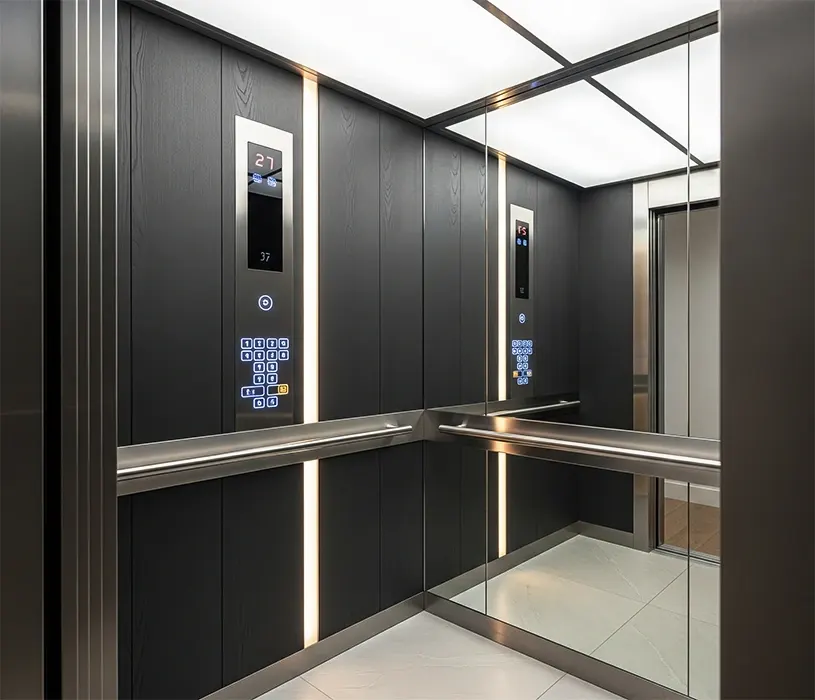
- Interior Design: Premium interior finishes like custom flooring, lighting, or wall panels can increase costs, especially in residential elevators or commercial spaces where aesthetics are important.
- Technology and Controls: Upgrading to more sophisticated control systems, touchless interfaces, energy-saving technologies (like regenerative drives), and smart building integration can add to the cost.
- Safety Features: Modern elevators come with advanced safety features like emergency communication systems, fire-rated doors, seismic safety systems, and smart monitoring. These features are important for ensuring safety but may increase replacement costs.
e) Installation Time and Complexity
The installation time and complexity will depend on the size of the elevator and the amount of work required. If significant structural or electrical work is necessary, this could extend the project timeline and raise costs. Elevator replacements in existing buildings may take longer to complete due to limited space or building regulations.
- Standard Replacement: If the new elevator is similar to the old system, the replacement process could take as little as 2-4 weeks.
- Complex Installations: If the installation requires significant modifications, such as retrofitting an elevator into an older building or replacing a freight elevator with a passenger elevator, the project timeline could extend to several months.
Average Elevator Replacement Costs
Now that we’ve covered the factors affecting elevator replacement costs, let’s break down the average price range for various elevator types:
- Hydraulic Elevator Replacement: $25,000 - $50,000
- Traction Elevator Replacement: $40,000 - $100,000
- MRL Elevator Replacement: $30,000 - $60,000
- Freight Elevator Replacement: $30,000 - $100,000
- Luxury Residential Elevator Replacement: $35,000 - $75,000 (depending on customization and features)
Keep in mind that these prices are averages and can vary significantly depending on the factors discussed above.
Additional Costs to Consider
Aside from the primary replacement cost, there are several additional costs to consider:
a) Disposal of Old Elevator
When replacing an old elevator, the cost of removing and disposing of the existing system can range from $2,000 to $10,000 depending on the elevator’s size and complexity.
b) Ongoing Maintenance and Warranty
While replacing an elevator often includes a warranty, ongoing maintenance costs should be factored into the total cost of ownership. Maintenance contracts typically cost between $500 and $1,500 annually for residential elevators, and more for commercial or industrial systems. A comprehensive maintenance package can help ensure long-term reliability and prevent expensive repairs.
c) Energy Efficiency Upgrades
Newer elevator systems tend to be more energy-efficient, especially when compared to older models. Upgrading to a more efficient system can lead to long-term energy savings, which can help offset some of the replacement costs. Energy-efficient features like regenerative drives or LED lighting might increase the initial price but provide significant operational savings over time.
Tips for Managing Elevator Replacement Costs
Replacing an elevator can be a costly and complex process, but there are strategies you can use to manage and reduce expenses:
a) Plan Ahead
Start planning for elevator replacement well in advance. This allows you to budget properly and consider your options. Waiting until your elevator is malfunctioning or unsafe to use may lead to rushed decisions and higher costs.
b) Get Multiple Quotes
Always get multiple quotes from elevator installation companies to ensure competitive pricing. Be sure to evaluate the reputation, warranty options, and quality of service provided by each company.
c) Consider Leasing or Financing
If the upfront cost is a concern, consider leasing or financing your new elevator. Many elevator companies offer financing options, allowing you to spread the cost over time. This can help ease the financial burden while still ensuring your elevator is up to code and functional.
d) Consult with an Expert
Work with a qualified elevator consultant or contractor who can provide insights on the best elevator system for your needs and budget. An expert can help you navigate the complexities of elevator replacement, ensuring that you make the best choice for your building’s needs.
Replacing an elevator is a significant investment, but it’s an essential part of maintaining the functionality, safety, and efficiency of your building. The total cost of elevator replacement will depend on factors such as the type of elevator, the number of floors, customization options, and installation complexity. Understanding these variables will help you make an informed decision and avoid unexpected costs.
By budgeting appropriately, getting multiple quotes, and considering long-term savings from energy-efficient systems, you can manage the costs of elevator replacement and ensure a smooth, safe, and efficient transportation system for years to come. At HAYASHIMU we specialize in providing high-quality passenger lifts that are designed to enhance the accessibility, safety, and efficiency of your building.