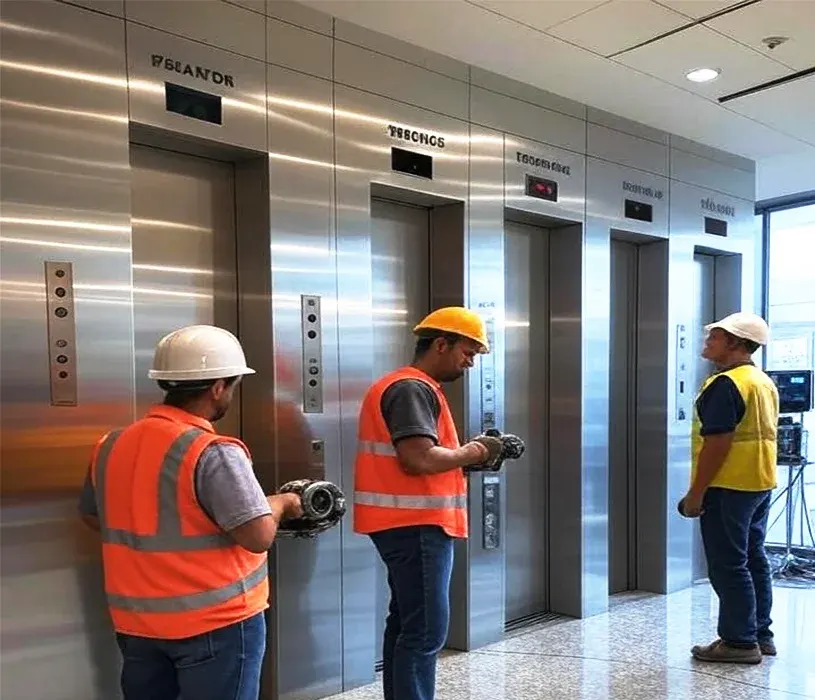
Demystifying Elevator Maintenance Costs: Budgeting Tips
By Admin | 13 Jul, 2026
Elevators are a crucial part of modern infrastructure, facilitating efficient vertical transportation in buildings ranging from residential homes to high-rise commercial complexes. However, like any mechanical system, elevators require regular maintenance to ensure safety, reliability, and smooth operation. Understanding and budgeting for elevator maintenance costs is essential for building owners and property managers to prevent unexpected expenses and ensure the system is always running at its best.
In this blog, we’ll break down the factors that contribute to elevator maintenance costs and offer practical budgeting tips to help you manage these expenses effectively.
Why Elevator Maintenance Matters
Elevator maintenance is not just about keeping the system running—it’s a safety concern. Elevators are subject to daily wear and tear, and components such as cables, pulleys, doors, and sensors can degrade over time. Regular maintenance helps to:
- Ensure Safety: Prevent mechanical failures that could result in accidents or injuries.
- Increase Longevity: Proper upkeep extends the lifespan of the elevator system.
- Meet Legal Requirements: Many regions have strict regulations regarding elevator safety and maintenance. Non-compliance can lead to fines or liability issues.
- Optimize Performance: Regular inspections and servicing ensure smooth operation, preventing downtime and improving user experience.
Factors That Influence Elevator Maintenance Costs
The cost of elevator maintenance can vary significantly depending on several factors. These factors should be considered when budgeting for elevator upkeep:
a) Type of Elevator
The type of elevator you have will greatly impact maintenance costs. Different elevator systems require different maintenance routines. Some of the most common types include:
- Hydraulic Elevators: These elevators are typically found in low-rise buildings and are generally easier to maintain than traction elevators. Hydraulic elevators need less frequent servicing but may require more parts replacement, especially for the pump or fluid system.
- Traction Elevators: Used in taller buildings, these elevators are more complex due to their cable-based system. Traction elevators generally require more frequent maintenance, particularly of the cables, motor, and control system.
- Machine Room-Less (MRL) Elevators: These are becoming increasingly popular for residential and low-rise commercial buildings due to their space-saving design. While MRL elevators can be more energy-efficient, they require specialized knowledge and equipment for maintenance.
- Freight Elevators: Freight elevators tend to be larger and more robust, often requiring additional checks for load capacity, mechanical integrity, and safety features.
b) Age of the Elevator
Older elevators typically require more frequent repairs and more expensive parts replacements. If your elevator is more than 10 years old, you may need to factor in higher maintenance costs, as older components become more prone to failure. In some cases, outdated technology may require retrofitting to meet modern safety standards, further increasing maintenance expenses.
c) Usage Frequency
The more frequently your elevator is used, the higher the maintenance costs. High-traffic buildings, such as commercial office towers or residential buildings with many floors, will have more wear and tear, meaning more frequent inspections and servicing.
d) Building Size
Larger buildings with multiple elevators will naturally incur higher maintenance costs. Larger elevator banks mean more moving parts and more frequent maintenance checks. Commercial buildings with large parking garages or industrial facilities with freight elevators will require more complex servicing.
Average Costs of Elevator Maintenance
Now that we’ve outlined the factors influencing maintenance costs, let’s break down the typical pricing range for elevator maintenance.
a) Basic Maintenance Contracts
For residential elevators or smaller commercial buildings, basic maintenance contracts typically range from $500 to $1,500 annually. These contracts usually cover:
- Routine inspections
- Minor adjustments
- Cleaning and lubrication of mechanical parts
- Testing of safety features
b) Comprehensive Maintenance Contracts
For larger buildings or more complex elevator systems, comprehensive contracts may range from $1,500 to $5,000 per year. These contracts generally include:
- More frequent inspections (quarterly or bi-annually)
- Replacement of worn-out parts (e.g., cables, motors, or door components)
- Emergency repair coverage
- Advanced monitoring of system performance
- Priority response times for issues that may arise
c) Emergency Repairs
In addition to regular maintenance contracts, building owners should prepare for emergency repair costs. Emergency elevator repairs can range from $200 to $2,000 per service call, depending on the issue. More serious problems, such as motor failure or system malfunctions, could result in more expensive repairs, sometimes exceeding $5,000 or more.
Budgeting Tips for Elevator Maintenance
Now that we’ve explored the key factors influencing elevator maintenance costs, let’s look at some practical budgeting tips to help you manage these expenses effectively.
a) Opt for a Service Contract
A maintenance service contract can be an excellent way to budget for elevator maintenance costs. Most elevator companies offer various service contract options, which may cover all or part of the maintenance costs for a fixed annual fee. A service contract provides:
- Predictable costs for budgeting purposes
- Regularly scheduled inspections and servicing
- Priority service in case of breakdowns or emergencies
b) Plan for Part Replacements
While some parts of the elevator system, such as the motor or control system, may not need frequent replacement, other components, like cables, doors, and buttons, will wear out over time. Set aside a portion of your budget each year for replacing smaller, more common parts. Regular part replacements prevent sudden, expensive failures that can cause extended downtime.
c) Invest in Modernization and Upgrades
Investing in elevator upgrades can help reduce long-term maintenance costs. For example, upgrading to an energy-efficient system with regenerative drives can lower operational costs and reduce wear on the system. Additionally, upgrading the control system or adding smart features can provide better performance and reduce the likelihood of costly repairs in the future.
d) Monitor Usage and Frequency
Be mindful of the usage frequency of your elevator and adjust your maintenance plan accordingly. If you have a building with heavy elevator traffic, consider increasing the frequency of inspections. Some elevator companies even offer remote monitoring services, which can help detect potential issues before they become serious problems, saving you money on emergency repairs.
e) Compare Multiple Service Providers
Different service providers may offer varying levels of service and pricing. It’s worth comparing multiple elevator maintenance companies to ensure you are getting the best value. Look for companies with a strong reputation, well-trained technicians, and a history of providing excellent customer service.
f) Set Aside a Contingency Fund
Elevator maintenance can be unpredictable at times. To avoid budget surprises, it’s wise to set aside a contingency fund for unforeseen repairs or part replacements. This will give you peace of mind, knowing you have a financial cushion for emergencies.
Elevator maintenance is an essential part of ensuring the safe and reliable operation of your building’s vertical transportation system. While the costs can vary depending on factors such as the type of elevator, its age, and how frequently it’s used, budgeting for elevator upkeep can be made easier with the right strategies.
By budgeting appropriately, getting multiple quotes, and considering long-term savings from energy-efficient systems, you can manage the costs of elevator replacement and ensure a smooth, safe, and efficient transportation system for years to come. At HAYASHIMU we specialize in providing high-quality passenger lifts that are designed to enhance the accessibility, safety, and efficiency of your building.