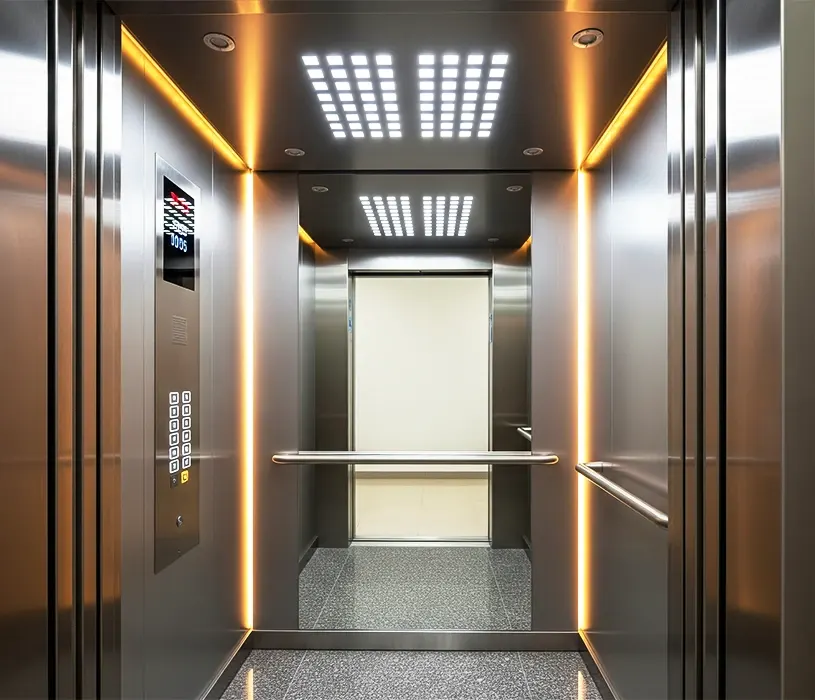
About Passenger Elevator: What You Must Know
By Admin | 10 Jul, 2026
Passenger elevators are an integral part of modern architecture, enabling easy vertical transportation in both residential and commercial buildings. These lifts are designed to carry people between floors, enhancing accessibility, convenience, and efficiency. Whether you're building a high-rise office, a multi-story residential building, or a shopping mall, understanding the features, functionality, and considerations surrounding passenger elevators is essential for making the right choice.
In this guide, we will explore the various aspects of passenger elevators, including how they work, the types available, their key components, and factors to consider before installing one. By the end of this article, you will have a comprehensive understanding of passenger elevators and their role in modern buildings.
1. What is a Passenger Elevator?
A passenger elevator, also known as a lift, is a platform designed for carrying people vertically within a building. It typically consists of a cabin or platform that moves along vertical tracks, providing easy access between different floors of a building. These lifts are commonly used in places where stairs would be impractical or difficult to use, such as high-rise buildings, hospitals, and shopping malls.
Passenger elevators come with varying load capacities, speeds, and designs to suit different building requirements. While they serve a basic function of transporting passengers, modern designs also incorporate advanced safety features, energy efficiency, and aesthetic appeal.
2. How Do Passenger Elevators Work?
Passenger elevators operate based on a mechanical system that allows the elevator car to travel vertically between floors. There are two main types of passenger elevator mechanisms:
a) Hydraulic Elevators
Hydraulic elevators use a hydraulic fluid and piston system to lift and lower the elevator car. When the fluid is pumped into the piston, the car rises. Hydraulic lifts are generally slower than other types, but they are ideal for low-rise buildings with a limited number of floors (up to 5 floors). These lifts are also quieter and less expensive to install compared to other options.
b) Traction Elevators
Traction elevators use a system of pulleys and cables to move the car up and down. They rely on a counterweight to balance the elevator car, which results in smoother and faster operation. Traction lifts are commonly used in high-rise buildings because of their speed and efficiency. They are more energy-efficient than hydraulic systems, especially in buildings with more than 10 stories.
c) Machine-Room-Less (MRL) Elevators
MRL elevators are a newer type of traction elevator. As the name suggests, they don’t require a separate machine room, which makes them space-efficient and suitable for buildings where space is limited. MRL elevators are popular in mid-rise buildings and offer a quiet, energy-efficient solution without sacrificing performance.
3. Types of Passenger Elevators
There are various types of passenger elevators, each designed for specific uses and environments. The right choice depends on your building's height, traffic volume, and design aesthetics. Some of the most common types of passenger elevators include:
a) Standard Passenger Elevators
These are the most common type of elevator found in residential and commercial buildings. They are available in different sizes and configurations, with customizable interiors. Standard passenger elevators are designed for everyday use and can carry between 6 to 15 passengers, depending on the building's requirements.
b) Glass Elevators
Glass passenger elevators are designed with transparency in mind, providing passengers with a panoramic view as they travel between floors. These elevators are often installed in buildings where aesthetics are important, such as shopping malls, hotels, and luxury residential buildings. While glass elevators are visually striking, they can be more expensive to install due to their unique design and materials.
c) High-Speed Elevators
High-speed passenger elevators are designed for tall buildings, such as skyscrapers and high-rise office buildings. These elevators can travel at speeds of up to 1,000 meters per minute, enabling quick transportation across multiple floors. High-speed elevators are typically equipped with advanced technology to ensure smooth acceleration and deceleration, as well as to reduce energy consumption.
d) Observation Elevators
Observation elevators are designed to enhance the passenger experience by offering stunning views during the ride. They are often used in public spaces, such as museums, observation towers, and high-rise buildings with scenic locations. These elevators feature large windows and are intended to provide a visual experience, in addition to vertical transportation.
4. Key Components of a Passenger Elevator
Passenger elevators are made up of several critical components that work together to provide smooth, safe, and efficient transportation. Understanding these components is key to maintaining and troubleshooting your lift system. The main components include:
- Elevator Car: This is the platform or cabin that holds passengers as it moves up and down between floors.
- Elevator Shaft: The vertical space within which the elevator car moves. The shaft is designed to accommodate the car’s travel and includes guiding rails to ensure smooth motion.
- Counterweight: This component helps balance the elevator car, particularly in traction elevators. The counterweight ensures that the car moves smoothly and reduces energy consumption.
- Motor and Drive System: The motor powers the elevator, allowing it to move up and down. The drive system controls the speed and direction of the car’s movement.
- Control Panel: The control panel inside the car allows passengers to select their desired floor. It also contains emergency buttons, communication devices, and safety features.
- Doors: Elevator doors open and close to allow passengers to enter and exit. Modern elevators typically use automatic sliding doors, which are powered by a motor to ensure smooth and safe operation.
5. Factors to Consider Before Installing a Passenger Elevator
Before installing a passenger elevator in your building, it’s important to consider several key factors that will influence the overall performance, cost, and suitability of the lift:
a) Building Size and Height
The size of your building is one of the first considerations when choosing a passenger elevator. For low-rise buildings, hydraulic lifts are often the best option, while high-rise buildings typically require a traction lift or an MRL elevator.
b) Traffic Volume
Consider the amount of foot traffic your elevator will need to handle. High-traffic areas, such as office buildings or shopping centers, may require larger, faster, or more durable elevator systems. For residential buildings with moderate traffic, a smaller or slower lift might suffice.
c) Budget
The cost of installing a passenger elevator can vary widely depending on the type, size, and customization options. It’s essential to establish a clear budget before proceeding with the installation to ensure you choose an elevator that meets your needs while staying within financial constraints.
d) Energy Efficiency
As sustainability becomes increasingly important in modern construction, choosing an energy-efficient elevator system can help reduce operating costs and minimize environmental impact. Look for elevators that feature energy-saving technologies like regenerative drives or LED lighting.
6. Maintenance and Safety
Regular maintenance is essential for ensuring the safety and longevity of passenger elevators. Scheduled inspections and servicing will prevent breakdowns, extend the elevator’s life, and ensure compliance with safety regulations.
Some common safety features found in modern passenger elevators include:
- Emergency Communication Systems: These systems allow passengers to contact building personnel or emergency responders in the event of a malfunction or emergency.
- Overload Sensors: These sensors prevent the elevator from operating if the weight exceeds its rated capacity.
- Automatic Doors with Safety Mechanisms: Modern elevators are equipped with sensors that prevent the doors from closing if something is in the way, reducing the risk of injury.
Passenger elevators are a vital part of modern buildings, providing essential vertical transportation in a variety of settings. Whether you’re installing one in a residential building, commercial property, or high-rise skyscraper, understanding the key features, types, and factors that affect the elevator's performance is crucial.
At FUJI Elevator, we offer a wide range of high-quality passenger elevators designed to meet the needs of any building. From high-speed elevators to stylish glass designs, we provide customizable solutions that prioritize safety, efficiency, and aesthetics. Contact us today to learn more about how our passenger elevators can enhance your building’s functionality and value. At HAYASHIMU we specialize in providing high-quality passenger lifts that are designed to enhance the accessibility, safety, and efficiency of your building.